
Since the pandemic began, the supply chain industry has grappled with significant labor challenges. Three years later, third-party logistics (3PL) operators are still seeking practical solutions. From potential strikes affecting key service providers like UPS to staffing deficits in the trucking industry and recruitment issues in warehouses, the sector is facing an unprecedented workforce dilemma.
These complex issues require not just short-term measures but comprehensive, forward-thinking strategies to ensure sustainability. In this article, we examine these labor challenges, offering insights into how 3PL operators can navigate this evolving landscape and remain competitive.
A Quick Overview of Current Supply Chain Labor Challenges
The current state of the U.S. supply chain workforce is wrought with hurdles. A mismatch of over 10 million job openings against 5.7 million unemployed individuals presents a significant labor shortage, affecting sectors ranging from parcel services to ocean freight.
High-profile events such as potential strikes, like the one threatening UPS, spotlight the precarious balance of labor relations. Despite offering higher wages, the trucking industry faces a deficit of staffing due to the challenging nature of the job and lifestyle drawbacks. Maritime freight grapples with operational instability due to dockworker negotiation disputes, while warehouses confront worker recruitment issues linked to strenuous work conditions, wage concerns, health risks, lack of childcare, and unclear career progressions.
Efforts to counteract these challenges—like automation and logistical solutions—are underway, but overcoming these issues requires more than improved wages and benefits. We need adaptive, scalable supply chain solutions and enhanced visibility into labor issues to restore equilibrium.
A Quick Overview of the Impending UPS Labor Strike
The upcoming labor strike at UPS is becoming an imminent challenge. Intense negotiations are underway between UPS and the Teamsters Union, the representative body for roughly 340,000 UPS employees, whose contract is due to expire by July 31. Union leader, Sean O’Brien, has expressed dissatisfaction with UPS’s sluggish progress in local agreements, leading to anticipated strain in the coming months.
Key points of contention include better pay for part-time workers and abolishing a lower-paid category for weekend drivers, among other concerns. Shunning a “cost-neutral” contract, O’Brien is poised to mobilize a strike if necessary.
UPS CEO Carol Tomé, in her inaugural union negotiation, remains hopeful of achieving a mutually beneficial resolution. To that end, negotiations so far have resulted in a guarantee that air conditioning will be added to new delivery vehicles as well as the elimination of the “two-tier wage system” among drivers.
However, a mutually beneficial resolution is looking increasingly less likely. Pay for part-time workers is still a major sticking point among the union members. This is a major contributing factor to the fact that 97% of UPS workers voted in favor of strike authorization.
5 Steps 3PL Operators Can Take To Mitigate Labor Challenges
As we navigate this complex landscape, we must consider tangible steps to manage these labor challenges effectively. Here, we explore five strategies that 3PL operators can employ to mitigate these issues and build a more resilient business.
1. Keep real estate costs as low as possible
In an increasingly competitive industry, managing real estate costs is a critical success factor for 3PL operators. Aside from labor, rent obligation on your real estate is the most expensive piece of a 3PLs balance sheet. This is why collaborating with a 3PL-centric real estate firm that specializes and understands the unique needs of 3PLs (like Growe) is vital to an organization’s success during these times. Being able to identify and secure strategic locations that offer ways to optimize your business (via transport routes and shipping zones) is crucial.
Working with your real estate partner to create a clear plan for managing your real estate portfolio is beneficial, which can help you anticipate and navigate market changes, keep operating costs low, and maintain a competitive edge. This strategic partnership will ensure a holistic and cost-effective approach to managing your real estate investments.
2. Develop contingency plans
In the current climate of labor unrest, 3PL operators must devise thorough contingency plans. These plans are not only about bracing for potential strikes or labor disputes but also about maintaining business continuity and minimizing operational disruptions. One significant aspect involves identifying and building relationships with a wider network of carriers, including local and regional ones. This would be beneficial if, for example, the UPS strike continues and FedEx is too swamped to handle the increased shipment volume.
Another crucial element is maintaining contracts with inbuilt flexibility, allowing modifications or adjustments in case labor disputes disrupt usual operations. These contingency plans aim to ensure you’re not caught unprepared by sudden changes but instead ready to act swiftly and decisively to safeguard your business continuity and client satisfaction.
3. Improve efficiency so warehouses can operate with fewer workers
Given the labor shortages the supply chain industry faces, 3PL operators need to strategize on maintaining service levels despite reduced staffing. A pivotal step in this direction is the enhancement of operational efficiency. Streamlining processes can eliminate unnecessary steps, expedite operations, and optimize resource utilization.
Adopting cutting-edge technologies like AI, automation, and robotics can mechanize repetitive tasks, enhance precision, and boost productivity. Solutions need not be cutting-edge, however. Simple solutions such as reorganizing the warehouse layout, adding clear signage, and reducing the distances employees must walk can improve efficiency. You can even optimize your warehouse aisles to be narrower in order to house more inventory, though this does require an upfront technological investment.
The idea is to do more with less by promoting lean management, which requires fewer resources but offers enhanced performance. This approach not only addresses the immediate labor issues but also sets up a scalable, future-ready operations framework.
4. Address concerns of potential employees
One crucial strategy for mitigating labor challenges is to address the concerns of potential employees directly. It’s vital to understand why candidates hesitate to take on certain roles. As noted, warehouse roles may be avoided due to issues such as physical demands, lower-than-expected pay, health risks, lack of childcare, and unclear career paths.
Proactive steps to address these concerns can help attract a broader talent pool. This might involve clarifying career growth opportunities, enhancing workplace safety, and ensuring a competitive compensation package. Directly addressing the pain points that deter potential employees demonstrates that you’re not only aware of their concerns but also committed to providing a supportive, rewarding work environment. This approach could turn the tide, attracting more talent to fill your labor needs.
When unsure how to proceed, consider job candidates who decline job offers. Many are willing to explain their reasoning if asked directly, and their thoughts can help 3PL operators quickly find areas for improvement.
5. Invest in employee training and development
One of the most effective tactics to mitigate labor challenges involves substantial employee training and development investment. An empowered workforce is more productive, committed, and less likely to leave. Offering comprehensive training programs can ensure your employees are well-equipped to perform their tasks efficiently.
By fostering professional development, you not only improve individual competence but also augment overall operational efficiency. Furthermore, demonstrating this commitment to your employees’ growth can boost job satisfaction, leading to higher retention rates.
Additionally, an organization known for its focus on employee development will likely attract more potential employees, thus expanding your talent pool. By investing in your workforce, you’re investing in your company’s future, preparing for scalability and resilience in the face of labor challenges.
Final Thoughts
Addressing labor challenges in the supply chain industry requires more than quick fixes; it demands a comprehensive and forward-thinking approach. From developing contingency plans and optimizing efficiency with fewer workers to automating processes, addressing potential employees’ concerns, investing in workforce development, and effectively managing real estate costs, there are several ways 3PL operators can mitigate the problems caused by this challenging labor market.
By proactively embracing these measures, the industry can rise above the current challenges and build a more resilient, adaptive, and efficient supply chain ecosystem. Remember, every challenge presents an opportunity for innovation and growth – it’s all about finding the right solutions.
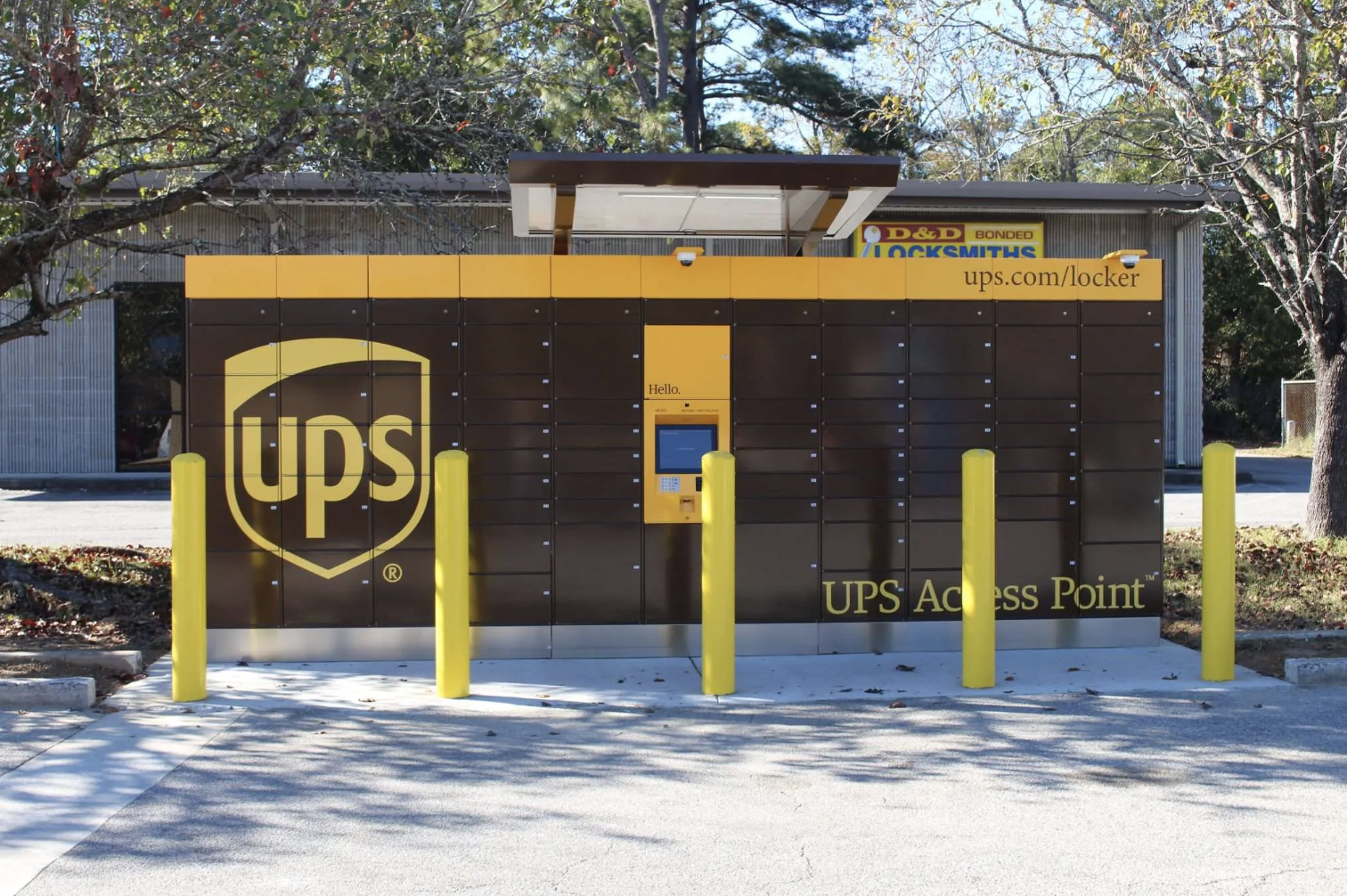
Feature Photo Credit: Michael Rivera – Own work, CC BY-SA 4.0, Link

Stay ahead in logistics
Get insights, strategies, and exclusive content delivered straight to your inbox

Client stories
Real experiences from brands who transformed their logistics strategy
More insights from our experts
Explore our latest thoughts on logistics and growth strategies

Your 3PL is Either Too Big to Care or Too Small to Scale
.jpg)
The Best Warehouse Space Never Hits the Market

The 3PL Sales Pitch vs. Reality: 5 Questions to Cut Through the Noise

Stop Using Residential Brokers for Commercial Space

Playing Tetris with Pallets Isn’t a Growth Strategy