
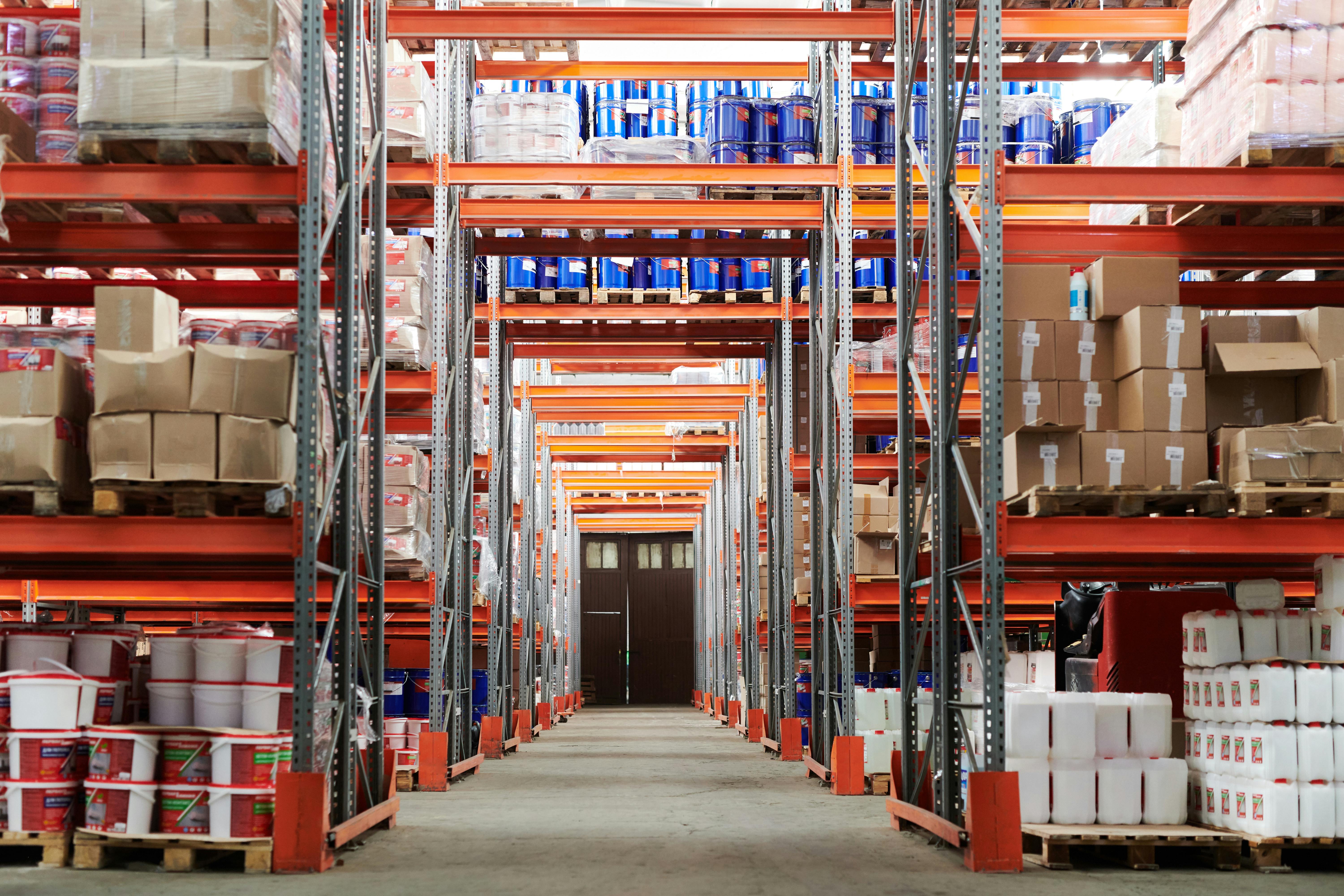
The future of e-commerce is being shaped by one simple truth: customers want fast delivery, regardless of their location. Next-day shipping isn’t impressive anymore; same-day is becoming the benchmark. And that shift is pushing brands and logistics providers to rethink the last mile of their parcel’s journey entirely.
Micro-fulfillment centers (MFCs) are emerging as one of the most important tools in that transition. Small, strategically placed facilities allow companies to position inventory closer to the customer, trim delivery times, and handle rapid local demand without the heavy footprint of a traditional warehouse.
The question isn’t whether micro-fulfillment will continue to grow. It will. The question is whether your 3PL network is ready to keep up with the shift in consumer expectations, and whether your business can take advantage of the speed and flexibility these smaller, smarter nodes create.
Why Micro-Fulfillment Is On the Rise
E-commerce volume continues to climb, but the real pressure point is the “need it now” mindset of the average consumer. Urbanization, demographic shifts, and competitive pricing have all raised the stakes. If your competitors can get a package to a doorstep in hours, you’re not just slower, you’re all but forgotten.
Micro-fulfillment centers shift the game by putting goods closer to buyers. Instead of shipping from a regional hub hundreds of miles away, MFCs place inventory inside or near major metro areas. The result is shorter routes, tighter delivery windows, and a logistics model built for immediacy.
This isn’t a future concept. Large retailers have already proven the model at scale. Now it’s moving downstream to mid-market brands and the 3PLs that support them.
How Micro-Fulfillment Changes the Last Mile
Traditional fulfillment relies on a handful of large distribution centers. It works, but it’s slow. Every extra mile adds cost, and every extra day increases the chance of a lost customer.
Micro-fulfillment breaks that pattern. Instead of one or two huge facilities, you operate a network of smaller sites located in population-dense regions. That shift improves the last mile in several ways.
First, you reduce the physical distance to the end customer, which cuts transit times dramatically. Second, you increase flexibility. MFCs can respond quickly to local spikes in demand without overwhelming a single warehouse. Third, returns become easier because processing can happen at the local level rather than pushing everything back to a central hub.
A network built on micro-fulfillment can handle modern expectations far better than a traditional one. The challenge is building it without adding unnecessary complexity or cost.
What This Means for 3PL Networks
Not every 3PL is positioned for micro-fulfillment. Some operate massive regional hubs that work well for pallet-level distribution but slow down when dealing with high-volume direct-to-consumer shipping. Others lack the technology, labor model, or geographic coverage to support local fulfillment.
A 3PL network built for micro-fulfillment needs a few critical elements. Firstly, strategically placed nodes, not just regional distribution centers. It also needs visibility and real-time inventory management so brands have a clear picture of stock across multiple small sites. It needs the staffing flexibility to handle surges and the automation to keep small-footprint fulfillment efficient.
Additionally, it needs transportation partners aligned with fast, localized delivery via couriers, same-day carriers, and flexible last-mile providers who can handle fragmented demand.
If your 3PL is still built around a single large warehouse, you’re likely already feeling the strain.
Why Brands Should Care—Even If They’re Not Ready Yet
Even if your order volume doesn’t seem large enough to justify micro-fulfillment, this shift will affect you sooner than you think. The brands that thrive in the next decade will be the ones with fulfillment networks designed for speed and flexibility.
A micro-fulfillment model gives you several advantages: faster delivery options, better customer satisfaction, improved conversion rates, and more resilience during peak season. It also positions you for future offerings like one-hour delivery and local pickup partnerships with major carriers.
This isn’t about matching big retailers point-for-point. It’s about giving your customers what they already expect and staying competitive as those expectations evolve.
How to Evaluate Whether Your 3PL Is Ready
If you want to know whether your 3PL has the infrastructure to support micro-fulfillment, start with a few simple questions.
Where are their facilities located? How close are they to major population centers? Do they offer multiple-node distribution? Do they provide real-time inventory visibility across all sites? How do they handle staffing during spikes? And what does their last-mile carrier mix look like?
If the answers point toward a traditional, centralized model, your 3PL might not be ready for a market that now rewards speed above all else.
Micro-fulfillment isn’t replacing traditional warehouses; both will have to coexist in various ways. Large facilities will continue to handle bulk storage and long-haul transportation. But micro-fulfillment will increasingly own the last mile, especially in dense regions where fast delivery is a competitive advantage.
E-commerce isn’t slowing down. Customer expectations won’t roll back. If anything, the demand for immediacy will grow. Building a fulfillment strategy around that reality is the clear path forward.
The rise of the micro-fulfillment center isn’t a trend. It’s a structural shift in how products move from seller to doorstep. The businesses and 3PLs that adapt to this model will have a meaningful edge in the coming years.

Stay ahead in logistics
Get insights, strategies, and exclusive content delivered straight to your inbox

Client stories
Real experiences from brands who transformed their logistics strategy
More insights from our experts
Explore our latest thoughts on logistics and growth strategies
Multi-Market Expansion: How 3PLs Should Choose Their Next City
Why Dallas-Fort Worth Is Becoming the Nerve Center of America's Supply Chain
The Real Cost of a Mismatched 3PL-Brand Partnership (and How to Avoid One)
Your 3PL is Either Too Big to Care or Too Small to Scale
.jpg)
The Best Warehouse Space Never Hits the Market