
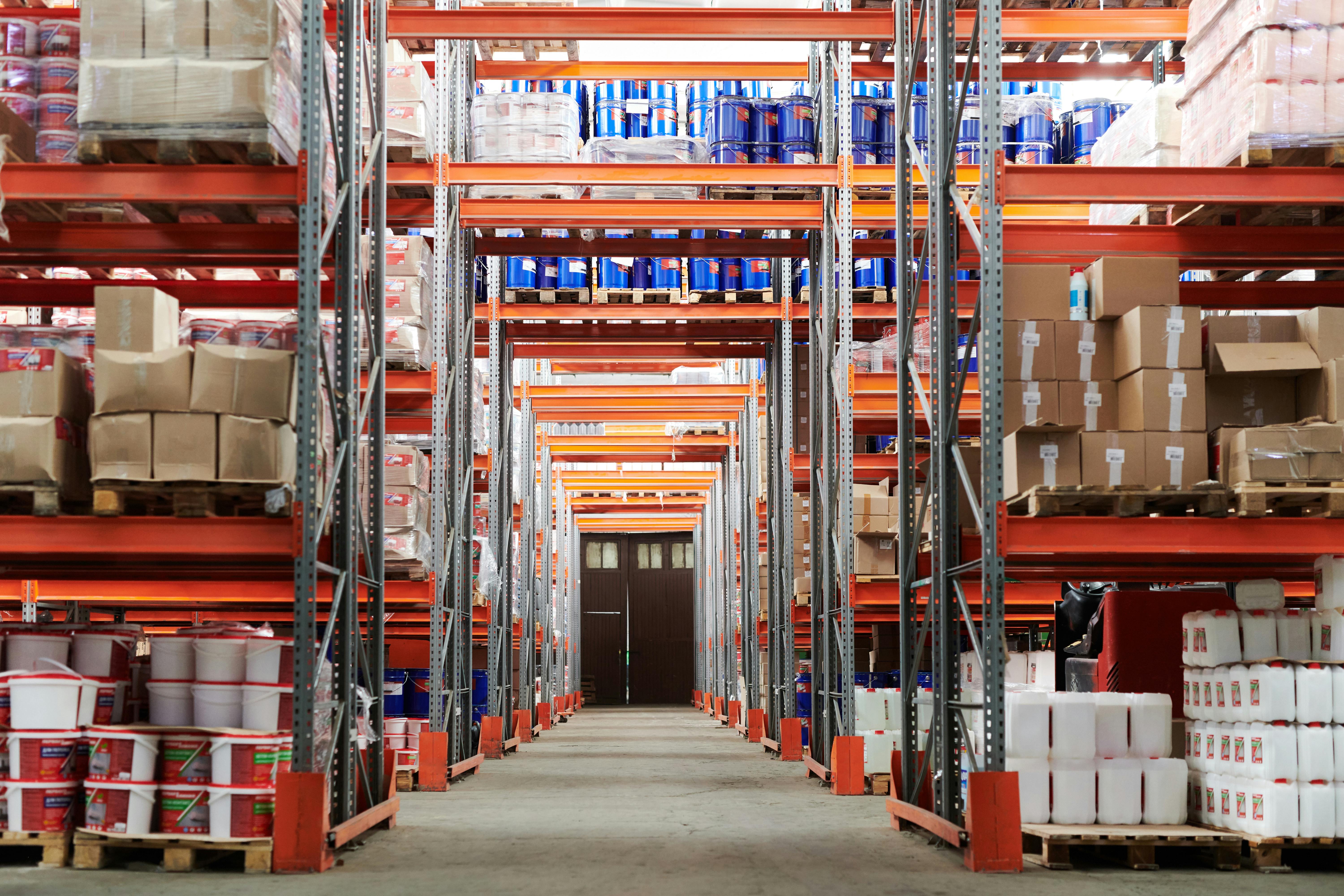
The recent unveiling of Macy’s Inc.’s new automated fulfillment center in North Carolina is not only a milestone for the retailer but a clear sign of a larger transformation in U.S. supply chain operations. Spanning 2.5 million square feet and outfitted with advanced robotics, automated storage and retrieval systems, and next-generation warehouse management software, this facility is designed to accelerate both e-commerce fulfillment and store replenishment.
While this Macy’s investment is currently leading the headlines, the implications extend far beyond one company. Facilities of this scale and technological sophistication indicate where the future of supply chains is heading: faster delivery, higher accuracy, and greater operational efficiency. By using automation to bring goods directly to human packers rather than having workers traverse sprawling warehouse floors, companies can reduce labor costs, improve order accuracy, and handle larger volumes without expanding physical footprints.
These investments also highlight a broader trend toward consolidation and multi-channel fulfillment. By handling diverse product categories, from apparel to home goods, under one roof, retailers can streamline operations, reduce shipping costs, and improve sustainability by shipping more efficiently. This signals opportunities for logistics partners, technology providers, and workforce development programs as the industry shifts to a more automated, integrated model.
Perhaps equally significant is the emphasis on workforce adaptation. Macy’s, for example, is pairing its investment with training programs to help employees upskill in the new, tech-enabled environment. For the U.S. supply chain sector, this underscores an essential reality: automation won’t replace humans entirely; it will change how the workforce interacts with logistics technology, creating new roles and skill requirements.
Large-scale investments like Macy’s suggest that U.S. supply chains are entering a period of accelerated modernization. Companies that anticipate these shifts by adopting automation, and leveraging integrated fulfillment strategies while investing in workforce development will be better positioned to meet growing consumer expectations while maintaining operational efficiency.
For the logistics industry as a whole, these shifts present both challenges and opportunities as the future of supply chains is continually being shaped.

Stay ahead in logistics
Get insights, strategies, and exclusive content delivered straight to your inbox

Client stories
Real experiences from brands who transformed their logistics strategy
More insights from our experts
Explore our latest thoughts on logistics and growth strategies
Multi-Market Expansion: How 3PLs Should Choose Their Next City

Why Dallas-Fort Worth Is Becoming the Nerve Center of America's Supply Chain
The Real Cost of a Mismatched 3PL-Brand Partnership (and How to Avoid One)

Your 3PL is Either Too Big to Care or Too Small to Scale
.jpg)
The Best Warehouse Space Never Hits the Market