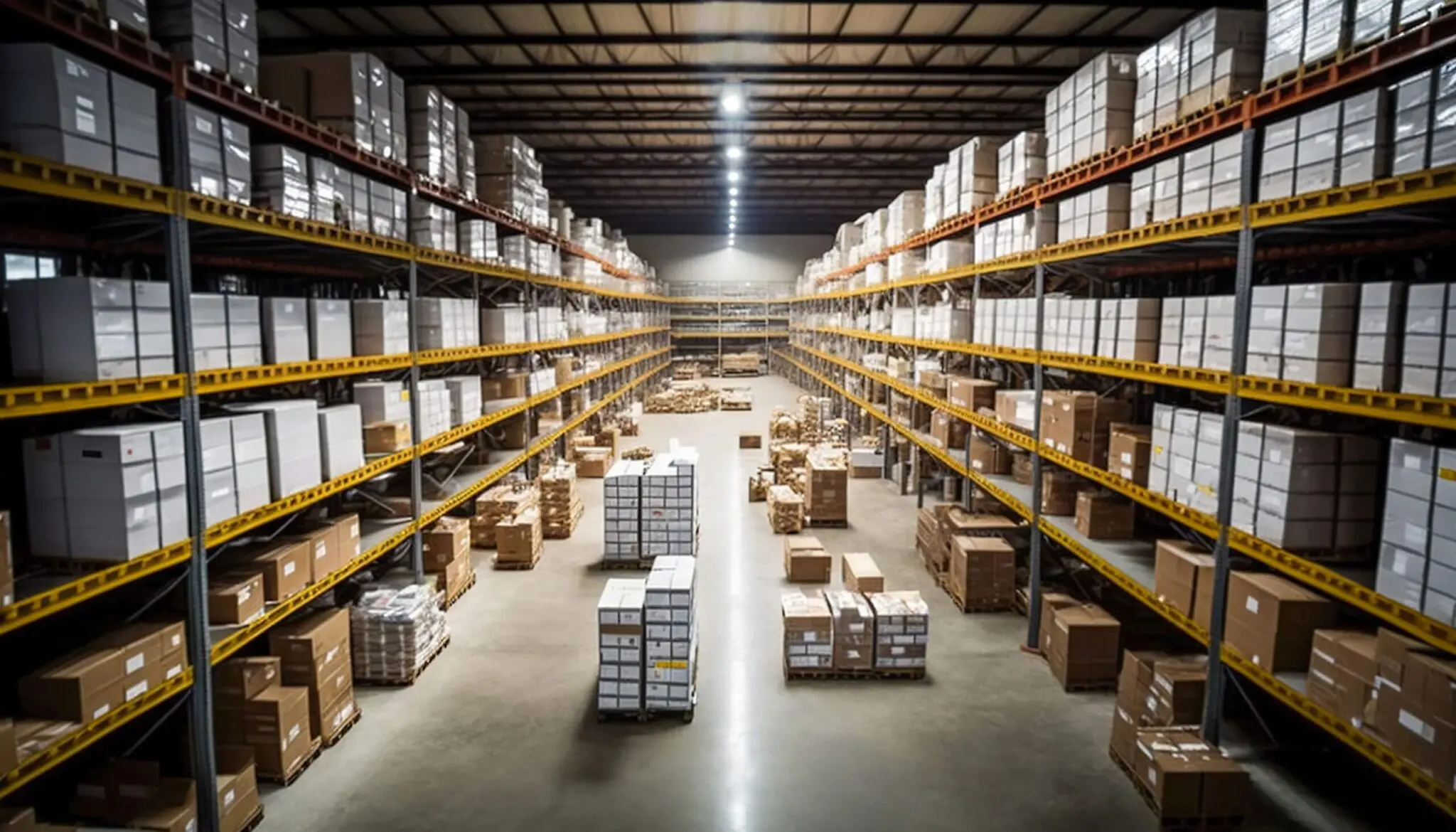

If you run a 3PL warehouse, space is your inventory. When business is going well and your client list grows, your building naturally starts filling up. At first, it feels incredible—racks are full, docks are humming, and the revenue is rolling in.
But there is a dangerous tipping point where a full warehouse stops being profitable and starts being a liability.
If your warehouse team spends the first two hours of every morning moving three pallets out of the way just to access one SKU in the back, you aren’t running an efficient operation. You’re playing a high-stakes game of Tetris with your inventory—and it is quietly vaporizing your bottom line.
The Cost of the "Squeeze"
Many 3PL owners make the mistake of waiting until they are at 100% capacity before they even think about looking for more industrial real estate. They try to "make do" by double-stacking in aisles, putting inventory on the floor, or packing bulk pallets into staging areas.
This is an operational illusion. You think you're maximizing your space, but you're actually destroying your labor efficiency. Here’s what happens when you overcrowd a facility:
- Labor Velocity Plummets: Labor is the largest variable cost in a warehouse. If a picker has to take a long, winding detour because an aisle is blocked with overflow pallets, their picks-per-hour drop. You end up paying more in labor costs just to move the same amount of freight.
- Mispicks and Damages Skyrocket: When space is tight, clutter inevitably takes over. Inventory gets misplaced, SKUs get mixed up on shelves, and forklift operators accidentally clip corners while trying to navigate overly narrow aisles. You pay out of pocket for damaged products and costly shipping corrections.
- Stalled Client Acquisition: The moment a massive, high-volume brand walks into your office wanting to sign a lucrative contract, you have to tell them no. You physically don't have the space to intake their inventory. Your growth caps out because your walls won't expand.
The 85% Golden Rule
Logistics experts and industrial real estate brokers track a metric known as "honeycombing" and operational capacity. In the warehouse world, **85% capacity is effectively 100% full**.
That remaining 15% isn't wasted space; it is operational breathing room. It is the buffer you need for dock flow, cross-docking, returns processing, and the seasonal ebbs and flows of your clients' inventory cycles. Once you cross that 85% threshold, your warehouse efficiency falls off a cliff.
Expansion is a Growth Engine, Not an Expense
Don't look at a second facility or an upgraded building lease as just a massive line-item expense. Look at it as lifting the ceiling off your revenue potential.
If your facility is crowded, your team is frustrated, and your labor margins are shrinking, stop trying to rearrange the floor plan one more time. It’s time to pick up the phone, talk to a specialized industrial real estate broker, and find the space you need to actually grow.

Stay ahead in logistics
Get insights, strategies, and exclusive content delivered straight to your inbox

Client stories
Real experiences from brands who transformed their logistics strategy
More insights from our experts
Explore our latest thoughts on logistics and growth strategies
Who Actually Pays Your Broker? The Incentive Math Behind Every Warehouse Lease

The Confidentiality Blind Spot: What Your Broker's Landlord Relationships Could Cost You

5 Signs Your 3PL Has Outgrown Its Current Warehouse

Multi-Market Expansion: How 3PLs Should Choose Their Next City

Why Dallas-Fort Worth Is Becoming the Nerve Center of America's Supply Chain